 Congressional Leverage
When People Organize,
Congress Has No Choice.
The anger is justified. This is what you do with it.
A small, organized group can force Congress to act — peacefully, democratically, and fast.
This is already building — district by district across the country. Organizers are already building toward thresholds in early districts.
War abroad. Economic pressure at home. And Congress still isn't responding.
We can't wait for the next election. Organized constituents are the only thing that makes Congress act now — not later.
Organized People Are Impossible to Ignore.
Congress doesn't respond to passion alone. They respond to political consequences inside their own districts.
That's the only thing that has ever moved them. And it's exactly what PHIERS is built to create — right now, not after the next election.
Here's the mechanics:
1. Your name gets counted — in your district
A real, on-the-record count tied directly to your representative — not a symbolic petition that vanishes.
2. When 1,500 people in a district are organized
A public town hall is triggered. Your representative is required to show up — and answer, on the record, in front of the people they represent. In the coming weeks — not after the next election.
3. When hundreds of districts hit this at the same time
Congress faces coordinated constituent pressure at a scale they cannot ignore without immediate democratic consequences — not theoretical future ones.
4. Representatives who don't do what their constituents want
Get replaced by someone who will. In the coming weeks — not after the next election. We are not waiting.

Power concedes nothing without a demand that has teeth.

Congress: Get Out of the Way, Or Step Aside — 4:44
This isn't theory. It's a pattern that repeats every time people organize at scale.
The Tipping Point Is Smaller Than You Think.
Harvard researcher Erica Chenoweth studied 323 social movements over more than a century and found one pattern that never broke:
When 3.5% of the population is actively organized and sustained, systemic change becomes historically inevitable.
No campaign that crossed this threshold — ever — failed.
3.5% of the United States is 11.6 million people.
We're targeting 100 million — people furious about the war, healthcare costs, jobs, veterans, wages, a government that stopped listening and won't stop spending their money on everything except them.
That's 9 times the threshold.
Historically, movements at this scale don't get stopped. And they don't wait.
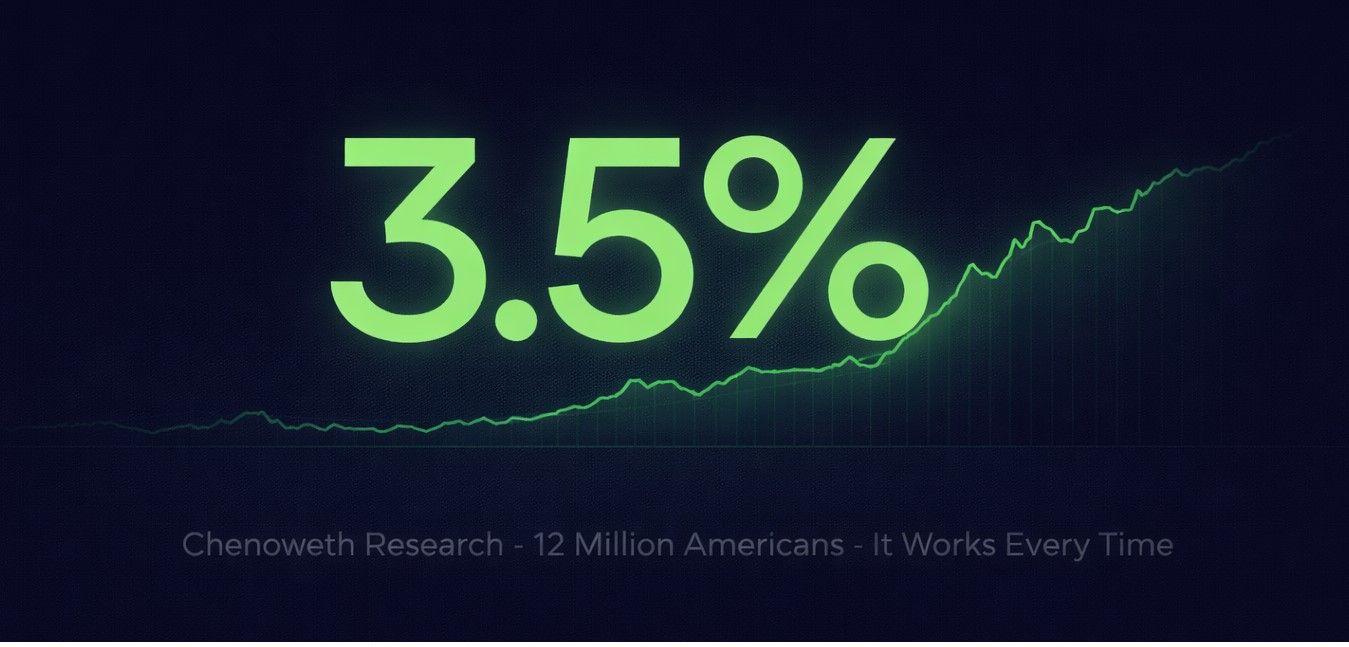
Harvard researcher Erica Chenoweth. 323 campaigns studied. The data is ironclad. Click to enlarge.
Every Representative Faces the Same Choice. Now.
This is a peaceful movement. The power isn't in anger alone — it's in organized anger with a mechanism behind it.
And that mechanism has a deadline.
We are not waiting for the next election cycle to end a war, prepare for economic depression, or force Congress to do the job they were elected to do.
When enough constituents organize inside a district, their representative has two options — and they need to choose now:
DO WHAT YOUR CONSTITUENTS WANT
Show up. Answer the questions. End the war. Address the crisis. Lead.
Be remembered as someone who acted when it mattered.
DON'T
Refuse. Stay silent. Ignore the organized pressure inside your own district.
Get replaced by someone who will. We are not waiting.
They do what their constituents want — or they get replaced by someone who will.
That's not a campaign tactic. That's a civic requirement. And it's happening now.
And when that organization happens, something else becomes clear:
230 to 1.
The average congressional district has roughly $1.95 billion in constituent pressure potential — organized voters, organized wallets, organized voices.
The average corporate lobbying budget: $8.5 million.
230:1. That's the constituent advantage when people coordinate.
That's why organized people always win when they coordinate. And why Congress knows it.
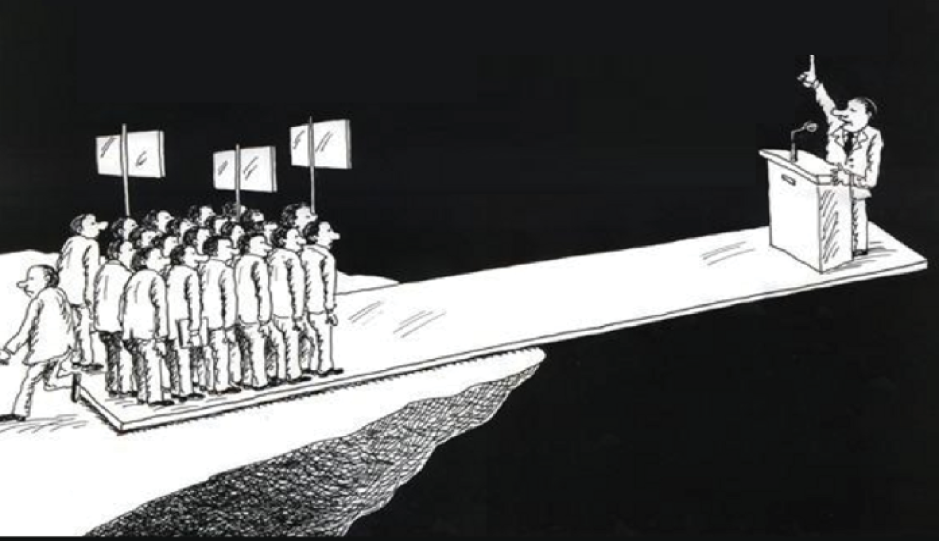
Power of the People — what 100M+ organized constituents looks like against corporate lobbying.
Ready to Make Congress Respond?
The anger is real. The cause is right. The mechanism is built. And the clock is running.
Your name — counted in your district — is where the pressure starts.
When enough districts organize at the same time, the pressure becomes impossible to outlast. Peaceful. Democratic. Immediate.
We are not waiting for November.
It takes less than a minute.